
In the heart of South Africa’s rural landscapes, a quiet but powerful revolution is taking place. Farmers, once bound by traditional methods and facing increasing challenges from climate change, are now leading the charge towards a greener, more sustainable future. At the forefront of this movement are the uMnga Farmers Group and the International Agricultural Academy for Africa (i3A), two organizations showing that when education, innovation, and community spirit come together, a remarkable change is possible.
From Tradition to Transformation

For generations, rural farmers have relied on inherited agricultural knowledge. While rich in heritage, these methods have struggled to keep pace with modern environmental and economic pressures. In South Africa alone, it’s estimated that over 60% of smallholder farmers still primarily use traditional farming practices, according to the Department of Agriculture, Land Reform, and Rural Development (DALRRD). These practices, while valuable, often leave farmers vulnerable to the mounting challenges of soil degradation, unpredictable weather patterns, and fluctuating market demands.
Studies show that up to 30% of South Africa’s arable land is moderately to severely degraded, largely due to unsustainable farming techniques. Furthermore, climate change has caused a 20% decrease in average rainfall over the past two decades in certain rural provinces, making it even harder for traditional farming methods to thrive.
Recognizing these urgent challenges, the Umnga Farmers Group emerged as a beacon of hope. Founded with mission to train and transform the smallholder farmers, Umnga focuses on integrating sustainable agricultural practices into traditional farming. Through techniques like crop rotation (increasing soil fertility by 20–25%), organic fertilization (reducing chemical costs by up to 40%), conservation tillage (which cuts soil erosion by 50%), and agroforestry (boosting biodiversity by nearly 30%), they are proving that sustainability doesn’t mean abandoning history — it means building on it thoughtfully.
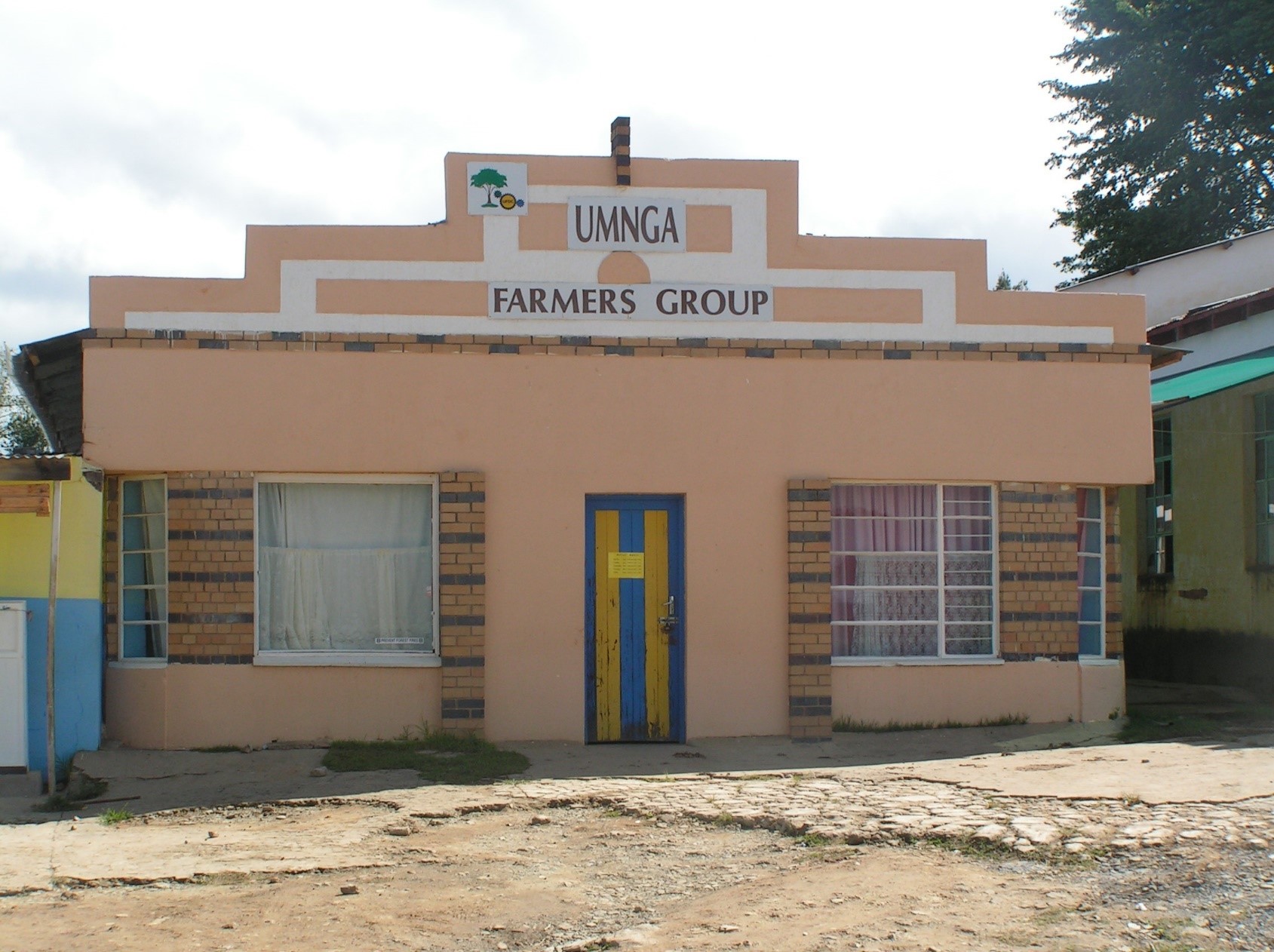
Figure 1: Umnga Farmer's Group Offices in the 1980's when the organization was established. Source: Official uMnga Farmer's Group Facebook page.
“Our goal is to restore not just our soil, but our communities,” says Thabo Maseko, one of Umnga’s founding members. “When we farm sustainably, we ensure that future generations can farm too.”
These figures aren’t just impressive; they represent real, tangible progress. Within just three years of adopting these sustainable methods, Umnga reported a 35% increase in average crop yields, significantly boosting food security for participating households.
A Partnership for Progress: Umnga and i3A
Driving Umnga’s success is its strategic partnership with the International Agricultural Academy for Africa (i3A). i3A, known for its pioneering work in agricultural education and research across the continent, provides critical training, resources, and mentorship to rural farming groups like Umnga.
Through hands-on workshops and field demonstrations, i3A’s experts equip farmers with the knowledge to improve yields while protecting the environment. Farmers learn about soil health management, efficient water use, pest control without harmful chemicals, and how to access emerging markets focused on sustainably-grown products.
“The collaboration with i3A has been a game-changer,” Maseko explains. “It’s not just about farming differently — it’s about thinking differently. i3A taught us to see ourselves not just as farmers, but as custodians of the land.”
Building Resilience and Prosperity
Beyond environmental benefits, the shift to sustainable agriculture is unlocking new economic opportunities. Umnga Farmers Group, leveraging i3A’s training, has successfully launched a cooperative brand for their produce, targeting eco-conscious consumers locally and abroad. This has translated into higher income, greater financial independence, and renewed pride in farming.
Moreover, sustainable practices have made Umnga farmers more resilient against the unpredictable effects of climate change. Enabling farmers to select crops that are more drought tolerant, pest and disease resistant, soil retains water more efficiently, and diversified farming techniques have reduced the risks associated with single-crop dependency.
Inspiring a Continent
The ripple effects of Umnga’s and i3A’s partnership are being felt beyond their immediate community. Other rural groups are taking notice, seeking guidance to replicate the model. With i3A’s growing network of agricultural champions, the hope is to empower countless other communities to follow suit.
As South Africa — and Africa at large — grapples with food security, climate change, and rural poverty, the example set by uMnga and i3A shines brightly. It’s a powerful reminder that when rural communities are equipped with knowledge, support, and the belief that they can be agents of change, the results can be transformational.
In the fertile fields of rural South Africa, a sustainable future is being sown — one seed, one farmer, one community at a time.
Recent Comments